
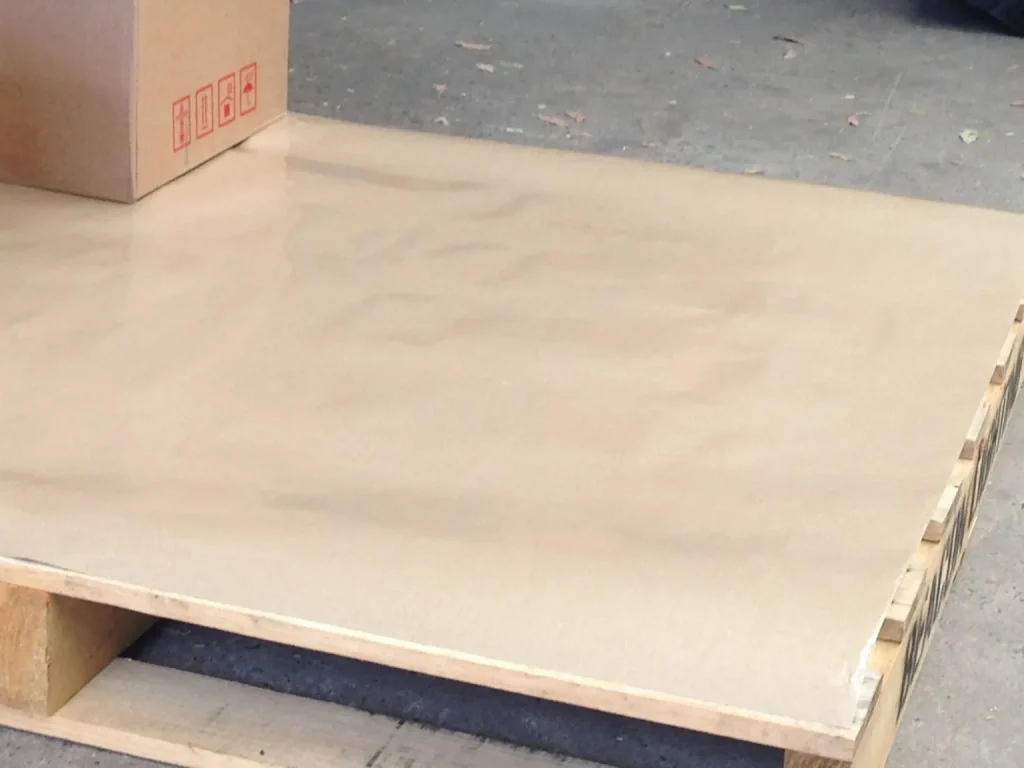
Quality pallet liners protect the goods being delivered. Many companies struggle with various logistics issues on a regular basis. As a result, shippers find goods getting wrecked on a regular basis due to rough wooden surfaces. Quality management managers purchase high-quality packaging materials. Shippers are able to solve many pressing issues regarding the delivery of goods. Additionally, warehouse managers appreciate the high-quality liner because the shipment will not shift. Consequently, many firms ensure that they use high-quality pallet liners for their products. Modern firms are committed to implementing quality measures in all fields. Companies should strive to reduce wastage at all costs. In addition, quality shipment packaging will improve a firm’s reputation.
The Importance of Pallet Liners in Warehouses
Wooden slats regularly mangle cartons. A thin protective layer spares stacked items from rough surfaces. Pallet liners create a barrier against dampness. Additionally, dust and grime stay outside the shipment. Delicate items remain immune to outside forces. Heavy objects need strong packaging. Thick cardboard layers provide stability. Hence, corners remain intact during transit. Personnel safely load bulk goods into trucks. The process becomes faster and more efficient. Every organization needs quality improvement measures. Large-scale Pallet liners slip sheets facilities process thousands of items daily. Continuous logistical activities wreak havoc on standard platforms. Splintered wood shreds delicate cartons.
Enhancing Workflow Efficiency with Pallet Liners Slip Sheets
Efficient logistics require auxiliary accessories. Pallet liners slip sheets minimize friction on truck floors. A thin strip of material allows heavy items to slide. Forklifts carry products with ease across storage facilities. Reduced surface resistance also minimizes product slippage. Shifting goods lead to frequent accidents and spills. Workers handle a thousand items effortlessly. Notably, thin strips also occupy less vertical space. Increased payload capacity also lowers fuel consumption. Hence, transport operators experience reduced costs. Intelligent firms invest in these efficient materials.
Maximizing Load Stability Using Cardboard Pallet Liners
Strong packaging provides stability and support. Cardboard pallet liners make items more resistant to pressure. Rigid layers add stability to fragile cartons. A sturdy box helps workers to stack higher. As a result, warehouses can store lots of goods in a small area. Furthermore, layers of paper help the environment. Cardboard pallet liners slip sheets boxes are trendy nowadays. Everyone wants to go green and support companies that contribute to the green movement.
Protecting Sensitive Cargo from Moisture and Dust
Normal corrugated boxes offer limited protection against moisture. Manufacturers suffer huge losses due to wet and dirty items. Most industries have stringent quality standards. Hence, protective cardboard pallet liners sheets remain mandatory in warehouses. The protective liner repels moisture from rough wooden surfaces. Water damages goods, thereby reducing an enterprise’s profit. Quality liners ensure products remain dry during transit. Clean items meet stringent quality standards in various industries. Food processing firms use liners to maintain hygiene. Electronic firms also utilize liners to prevent internal.
Versatility and Custom Pallet Liners Applications Across Industries
Various cardboard pallet liners companies utilize protective sheets in warehouses. Grocery stores ensure that they do not harm delicate foodstuffs. Electronics companies ensure that delicate hardware parts do not get dirty. Medical suppliers guarantee that medications do not contaminate germs. Protective layers are useful in different industries. Different industries buy customized sizes, weight, and thickness. Other firms buy water-resistant layers to protect items against moisture. It is advisable that every company buys high-quality packaging materials. Good packing materials guarantee a smooth supply chain process. A company gets appropriate solutions to its logistical problems. Auto-mobile industries utilize protective layers. Every industry has unique logistical issues. Good managers buy materials suitable for their industry.
Best Practices when Using Protective Sheets in Warehouses
A competent manager knows the best ways of integrating protective layers. The manager first measures the size of a given pallet. They then buy strips according to their thickness. It is also essential to educate workers on how to handle items. The sheets should be in all pallets. The layers should protect cartons against rough surfaces. Smooth layers also prevent cartons from being damaged. Wood splinters stick on the gloves of workers. A company can also damage its stock if it does not pack it appropriately. Moisture destroys most of the items that a company pack. Wet wood layers ruin paper packaging. It might also be necessary to monitor the inventory. A firm should also avoid shortages. A manager should invest in a continuous supply of inventory.
Cost-Effectiveness and Other Advantages of Using Protective Layers
A wise manager invests in the most competitive items. It is essential to minimize item wastage during transit. Most companies reach great losses from damaged items during transit. A competent manager also buys environment-friendly materials. Eco-friendly layers also help an organization save money. Disposing damaged materials also causes environmental pollution. Green materials promote a firm’s image as it attracts new investors.
Advanced Strategies for High-Volume Shipping
High-rate logistics firms require advanced materials. A competent manager can identify potential supply chain problems. High-speed packers rely on steady supplies at all times. Misaligned strips cause malfunctions in automatic packers. Consequently, firms invest in high-quality materials. Fast-paced manufacturers also depend on steady supplies. Finally, increased reliability minimizes production line halts. Advanced logistics software monitors supply levels. Material suppliers guarantee consistent delivery in large volumes. The most challenging situations test a firm’s preparedness. High-volume facilities function continuously throughout the year. A competent manager ensures materials remain readily available. During holidays, firms receive huge market orders. Subsequently, effective preparations ensure smooth operations.
Conclusion
Quality pallet liners protect cargo from severe damage. Ultimately, reliable protection ensures ultimate customer satisfaction. Efficient logistics managers always select durable base layers to safeguard merchandise. Rough wooden platforms frequently threaten delicate cartons during transport. Simple protective sheets eliminate friction and stop moisture. Consequently, supply chains operate without costly interruptions or delays.
Frequently Asked Questions
1. What are pallet liners and why are they used in warehouses?
Pallet liners are protective sheets placed between wooden pallets and stacked merchandise. They prevent rough wood surfaces from damaging cartons, block moisture, and stabilize loads during transit.
2. How do pallet liners improve overall supply chain efficiency?
They reduce friction, prevent product shifting, and eliminate transit damage. By keeping goods secure and undamaged, they minimize costly returns and speed up warehouse handling times.
3. What materials are commonly used to manufacture pallet liners?
Manufacturers typically use sturdy corrugated cardboard, chipboard, or thin plastic slip sheets. These materials provide the necessary rigidity, moisture resistance, and smooth surface texture required for safe shipping.
4. Are pallet liners eco-friendly and recyclable?
Yes, most cardboard and paper-based variants are 100% recyclable. They help businesses meet modern sustainability goals while reducing plastic waste and minimizing their overall carbon footprint.
5. How do pallet liners slip sheets help during forklift operations?
These specialized thin sheets reduce surface friction between stacked layers and pallets. This allows forklifts to move heavy loads smoothly and prevents merchandise from sliding or tipping over.
6. Can cardboard pallet liners prevent moisture damage?
High-quality corrugated layers act as a sturdy barrier against dampness rising from wooden platforms. They protect sensitive goods like food and pharmaceuticals from absorbing harmful moisture and dust.
7. What industries benefit the most from using pallet liners?
Industries such as food and beverage, pharmaceuticals, electronics, automotive, and retail rely heavily on them to protect delicate inventory, maintain hygiene, and ensure regulatory compliance.
8. How many pallet liners should a warehouse keep in stock?
Inventory levels depend on daily shipping volumes and turnover rates. Facilities typically monitor usage trends closely and maintain steady buffer stock to prevent supply chain disruptions during peak seasons.
9. Do pallet liners help prevent workplace injuries?
Yes, by stabilizing heavy or irregular loads, they prevent cargo from shifting or collapsing during transport. This creates a much safer working environment for loading dock staff and warehouse operators.
10. How do I choose the right size and thickness for pallet liners?
You should assess your specific product weight, pallet dimensions, and shipping conditions. Custom sizes and varying thicknesses are available to match unique industrial requirements and load demands.
