
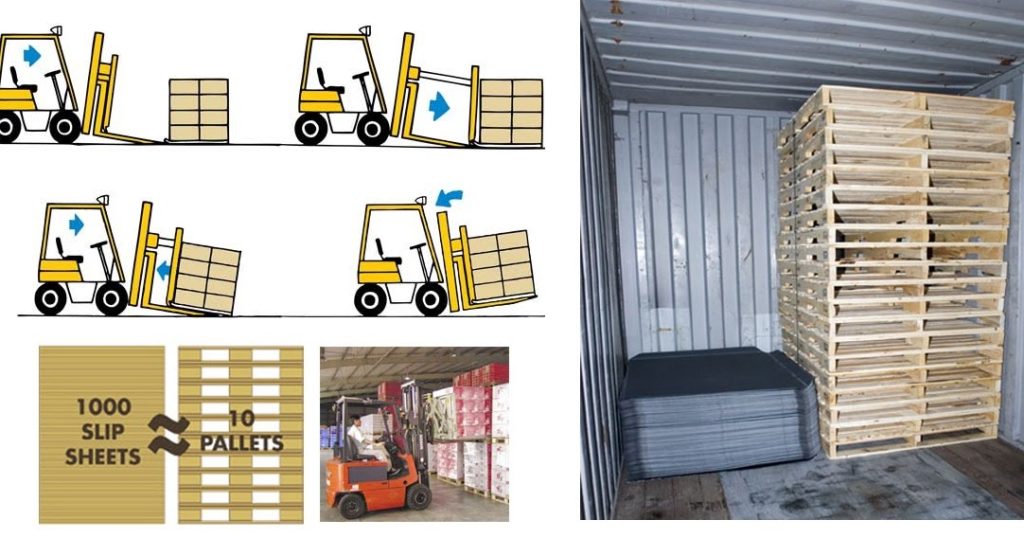
In nowadays rapid-paced logistics and deliver chain environments, groups always searching for green and cost-effective approaches to transport and store items. While traditional timber pallets have long been the industry popular, slip sheets are emerging as a clever alternative that offers several advantages. Understanding the benefits of slip sheets over pallets can assist corporations optimize their packaging, lessen charges, and enhance sustainability.
What Are Slip Sheets?
Slip sheets are thin, flat sheets normally made from cardboard, plastic, or composite materials designed to aid merchandise throughout shipping and storage. Unlike pallets, slip sheets don’t have a bulky body or legs. Instead, they provide a clean floor that may be easily inserted beneath items using a specialized device known as push-pull attachments or slip sheet forks.
Cost Savings with Slip Sheets
One of the maximum full-size advantages of the use of slip sheets is the fee reduction. Slip sheets are generally much less high-priced than traditional wood pallets. They require much less raw cloth, are lighter in weight, and take in much less space at some point of garage and delivery. These factors contribute to decrease transportation costs because:
- Reduced shipping weight lowers freight charges.
- More goods can be loaded per shipment, optimizing container space.
- Storage space savings due to smaller size and stackability.
Space Efficiency and Storage Advantages
Slip sheets take up minimal space compared to bulky wooden pallets. This space efficiency translates into several practical benefits:
- Warehouses can store more products in the same area.
- Transport vehicles can carry a higher volume of goods per trip.
- The reduced footprint of slip sheets improves overall warehouse organization.
The ability to ship more products per container or truckload helps businesses lower transportation frequency and costs.
Environmental Benefits of Slip Sheets
Sustainability is a growing priority for many companies, and slip sheets contribute positively to eco-friendly packaging efforts:
- Made primarily from recyclable materials like cardboard or plastic.
- Reduce the demand for wood used in pallet manufacturing.
- Lighter weight means less fuel consumption during transport.
- Easier to recycle or dispose of responsibly after use.
Switching to slip sheets supports a circular economy by minimizing waste and reducing carbon footprints.
Enhanced Safety and Hygiene
Slip sheets can offer better hygiene and safety advantages over traditional pallets, especially in industries with strict cleanliness standards:
- Slip sheets don’t absorb moisture, reducing the risk of mold and mildew growth.
- They eliminate splinters, nails, or broken wood pieces common with pallets.
- Their smooth surface reduces the chance of product damage or contamination.
These factors make slip sheets an ideal choice for the food, pharmaceutical, and electronics industries.
Simplified Handling and Automation Compatibility
Slip sheets require specialized handling equipment like push-pull attachments or slip sheet forks, but once integrated, they can streamline warehouse operations:
- Facilitate faster loading and unloading processes.
- Compatible with automated material handling systems.
- Reduce manual labor and improve overall efficiency.
Automation with slip sheets helps businesses keep pace with high-volume demands and reduce operational costs.
Limitations and Considerations
While slip sheets offer many advantages, there are some considerations:
- Initial investment in compatible equipment may be required.
- Not all types of goods or pallets can be replaced by slip sheets.
- Staff training is necessary to handle slip sheets properly.
However, for many businesses, these are minor hurdles outweighed by long-term benefits.
Conclusion: Is It Time to Switch?
Slip sheets offer a compelling alternative to standard pallets by reducing fees, saving area, helping sustainability, and enhancing protection. For companies seeking to optimize their packaging and logistics, adopting slip sheets can cause massive operational enhancements. With growing enterprise adoption and continuous innovation in slip sheet era, now’s an terrific time to make the transfer.
