
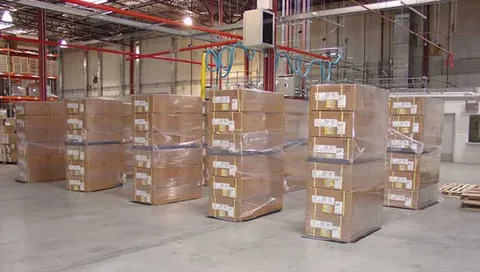
Are you tired of heavy, bulky wooden platforms draining your shipping budget? Today, every smart business owner faces intense shipping pressures. Therefore, finding lightweight alternatives matters deeply. First, consider switching to a dependable slipsheet for your warehouse operations. Next, we will explore why this tool completely changes modern logistics. You can save money instantly. Furthermore, you will protect your fragile goods better. Let us dive right into these amazing efficiency secrets.
Why Traditional Wooden Platforms Fail Modern Shipping Demands
Heavy wooden custom cardboard box packaging platforms create massive headaches for modern logistics teams every single day. Specifically, they add unnecessary weight to every single cargo truck on the road. Consequently, your fuel costs skyrocket rapidly month after month without warning. Besides, these bulky items consume precious storage space in your facility. Meanwhile, splintered edges can damage your valuable products during transit unexpectedly. But wait, you can easily avoid these expensive problems right now. Instead, smart managers choose sleek alternative options. Ultimately, ditching heavy timber keeps your warehouse running smoothly. You will notice immediate cost-saving results across your entire shipping department.
Unveiling Slipsheet: The Magic Behind Modern Logistics Innovations
Warehouse managers want tools that speed up loading times significantly. That are where innovative pallet liners slip sheets enter the picture to help. They fit seamlessly into automated packaging lines without any hassle. As a rule, efficiency defines successful modern businesses across the globe. Furthermore, these thin platforms require almost zero maintenance over time. Because of this, your team spends less time fixing broken equipment daily. Instead, they focus entirely on growing your core business operations.
How Thin Slipsheet Boost Warehouse Storage Capacity
Space equals money in any bustling warehouse environment you manage. Unfortunately, bulky timber stacks consume vast amounts of vertical clearance needlessly. In contrast, thin shipping platforms take up virtually no room at all. Therefore, you can store thousands of them in a tiny corner safely. Additionally, stacking pallet liners slip sheets tightly maximizes your available square footage efficiently. Meanwhile, your workers enjoy clutter-free aisles and much safer working conditions daily.
Slashing Freight Costs with Smart Material Choices
Shipping expenses eat into profit margins faster than almost anything else. Therefore, lowering payload weight directly lowers your transportation bills every single month. Because a standard slipsheet weighs a tiny fraction of timber, trucks carry more product. Consequently, you make fewer trips overall to deliver the same volume. Besides, air freight charges depend heavily on total shipment weight. By shedding unnecessary pounds, you unlock massive savings immediately. Smart budgeting starts with lighter shipping materials.
Slipsheet Protecting Your Fragile Products During Transit
Smooth loading platforms prevent punctures and tears during bumpy rides. Additionally, pairing them with sturdy custom cardboard box packaging ensures ultimate safety. Your fragile items stay secure from origin to destination without fail. Moreover, secure stacking prevents boxes from shifting around unexpectedly on highways. Thus, items arrive looking pristine and professional to your buyers. Customer satisfaction climbs when goods remain undamaged upon arrival. Ultimately, reliable packaging builds strong brand trust and repeat business. Quality protection always pays off in the long run.
The Environmental Impact of Ditching Heavy Timber
Environmentally friendly pallet liners slip sheets practices are more important than ever to the modern consumer. Thus, it is crucial for businesses to start implementing sustainable packaging practices in a timely fashion to keep up with the wave. The traditional timber platforms cause deforestation and the squandering of huge amounts of wood in the world. Conversely, modern shipping solutions utilize recycled materials efficiently and responsibly. Furthermore, you can recycle these thin platforms repeatedly without losing quality. As a result, your company shrinks its overall carbon footprint remarkably. These are green business activities that consumers are aware of and that they appreciate every day. So, custom cardboard box packaging builds brand image quite significantly with your intended audience.
Transforming Forklift Efficiency with Push-Pull Attachments
Handling modern unit loads requires specialized mechanical equipment for best results. Specifically, warehouses use push-pull attachments on standard forklifts for speed. This setup grips and pulls your chosen slipsheet effortlessly across floors. Moreover, drivers master this technique with minimal training required upfront. Because operations run faster, turnaround times drop dramatically throughout the day. Furthermore, operators enjoy better visibility without bulky platforms blocking their view. Thus, workplace accidents decrease significantly across your entire facility. Efficiency and safety go hand in hand right here.
Debunking Common Myths About Lightweight Cargo Bases
Many skeptics believe thin shipping bases lack necessary structural strength completely. However, modern engineering proves this assumption completely wrong through testing. High-grade materials support surprisingly heavy loads without buckling under pressure. Moreover, moisture and humidity do not weaken them like timber. Therefore, your goods stay secure in various harsh weather conditions. Besides, pest infestations become a thing of the past. You will never need expensive heat-treatment certifications again for exports. Let go of outdated misconceptions right now for better outcomes. Embrace durable modern innovations for superior results.
Slipsheet Maximizing Container Space for International Exporting
Global shipping demands absolute precision regarding weight and volume limits. Every extra inch inside a cargo container costs valuable money. Fortunately, ultra-thin platforms let you pack containers to maximum capacity easily. Consequently, you ship more product per international voyage without extra fees. Furthermore, shipping lines charge less when your total payload weighs less. Thus, export profit margins expand nicely across all product lines. Additionally, quarantine delays vanish because synthetic materials bypass strict timber regulations. Global trade becomes smoother, faster, and cheaper overall now. Expand your international markets with total confidence.
Calculating Your Immediate Return on Investment
Business decisions ultimately rely on clear financial returns to justify expenses. Calculating your potential savings reveals an impressive profit boost quickly. First, add up your current annual timber replacement costs accurately. Next, factor in reduced fuel surcharges and lower freight weights monthly. Additionally, consider how a durable sheet eliminates product damage expenses entirely. The financial picture becomes crystal clear very quickly for leaders. Savings accumulate rapidly month after month without fail. Reinvest those extra funds into scaling your business enterprise further.
Conclusion
New technology developments that come daily alter the logistics scene continuously. Innovative companies need to “stay on the pulse” with new industry developments. Lightweight and environmentally friendly packaging ensures sustainability and operational stability during use. Furthermore, the industry of automated warehouses can’t do without precise tools such as a dependable slipsheet. Modernizing now helps your company be ready for future market needs. Keep flexible, welcome technology, and see your company rise. Proactive leaders all around will determine the future of effective shipping. Act now to totally change your supply chain.
Frequently Asked Questions
What makes a slipsheet a better alternative to traditional wooden platforms?
A traditional wooden platform adds excessive weight and bulk to cargo shipments, driving up fuel costs and wasting precious storage space. In contrast, a slipsheet is ultra-thin, lightweight, and takes up minimal room when stored. Furthermore, it eliminates the risk of splintered edges damaging your products, while also removing the need for costly heat-treatment pest certifications during export.
How do pallet liner slip sheets improve loading times in modern automated warehouses?
Modern logistics relies heavily on speed and streamlined operational workflows. Innovative pallet liner slip sheets fit seamlessly into automated packaging lines. Because they are lightweight and uniform, automated machinery can handle, stack, and move them rapidly without the jams or alignment errors frequently caused by warped or damaged timber platforms.
Why does switching to lightweight shipping materials significantly lower overall freight and fuel expenses?
Shipping costs are directly tied to the total weight of the payload. Traditional timber platforms add hundreds of pounds of dead weight to a cargo truck. By utilizing a slipsheet, you drastically reduce overall shipment weight, allowing carriers to transport more actual product per trip, which translates to fewer total trips and significantly lower fuel consumption.
How does pairing a slipsheet with custom cardboard box packaging protect fragile items from transit damage?
Product safety depends heavily on secure and stable stacking during transit. When you pair a smooth, stable loading base like a slipsheet with sturdy custom cardboard box packaging, your goods stay tightly locked in place. This combination prevents shifting, punctures, and tears, ensuring that even fragile items arrive at their final destination in pristine, professional condition.
In what ways do thin shipping platforms help maximize vertical storage capacity and clear warehouse clutter?
Warehouse space equals financial value, and bulky timber stacks consume vast amounts of vertical clearance needlessly. Thin shipping bases take up virtually zero vertical room when stacked. Consequently, facilities can store thousands of units neatly in a tiny corner, resulting in clutter-free aisles, safer working conditions, and improved overall productivity across shifts.
What specific equipment do warehouse teams use to handle a slipsheet efficiently during daily loading operations?
Transitioning away from wooden platforms requires specialized mechanical handling tools to maintain high efficiency. Warehouses typically equip standard forklifts with specialized push-pull attachments. This hydraulic mechanism grips, clamps, and pulls the chosen slipsheet effortlessly across warehouse floors and truck beds without requiring extensive or complex operator training.
How do synthetic shipping solutions eliminate international quarantine delays and strict timber export regulations?
Global trade is heavily regulated to prevent the spread of invasive pests often found in raw wood. Because a modern slipsheet is engineered from synthetic or recycled materials, it completely bypasses international ISPM 15 timber regulations. As a result, your international shipments avoid costly quarantine inspections and customs delays entirely.
Why are businesses choosing sustainable, recyclable materials over heavy timber to reduce their carbon footprints?
Environmental sustainability has become a top priority for modern consumers and corporate leaders alike. Traditional timber platforms contribute significantly to deforestation and industrial waste. In contrast, modern shipping solutions utilize recycled materials that can be reused repeatedly, helping businesses shrink their carbon footprints and strengthen their brand reputations.
How can a facility calculate its return on investment after upgrading to a modern slipsheet system?
Calculating your financial return involves tallying several key cost-saving areas across your supply chain operations. First, look at your annual timber replacement and repair costs. Next, factor in reduced fuel surcharges due to lighter payloads and the elimination of product damage expenses. These combined savings compound rapidly month after month, providing a swift and impressive return on investment.
What steps should operations managers take to seamlessly transition their staff to new material handling workflows?
Implementing new warehouse methods requires careful planning and clear communication to ensure team buy-in. Operations managers should begin by evaluating current product dimensions and weight limits. Next, invest time in training forklift drivers on proper push-pull attachment techniques, source reliable custom cardboard box packaging, and monitor the process closely to eliminate early bottlenecks.
